

Origin Matters: Geographical Indications Protect Traditions and Strengthen Regions
Geographical indications are more than just a symbol on a product label. They protect the name of a product and its link to a specific geographical area, while also offering opportunities to support marketing, exports, tourism and employment.
The importance of geographical indications was discussed at the international Origin Matters 2026 conference, held on 3–4 September 2026 at Bratislava Castle. The event was organised by the Industrial Property Office of the Slovak Republic (IPO SR) in cooperation with the European Union Intellectual Property Office (EUIPO).
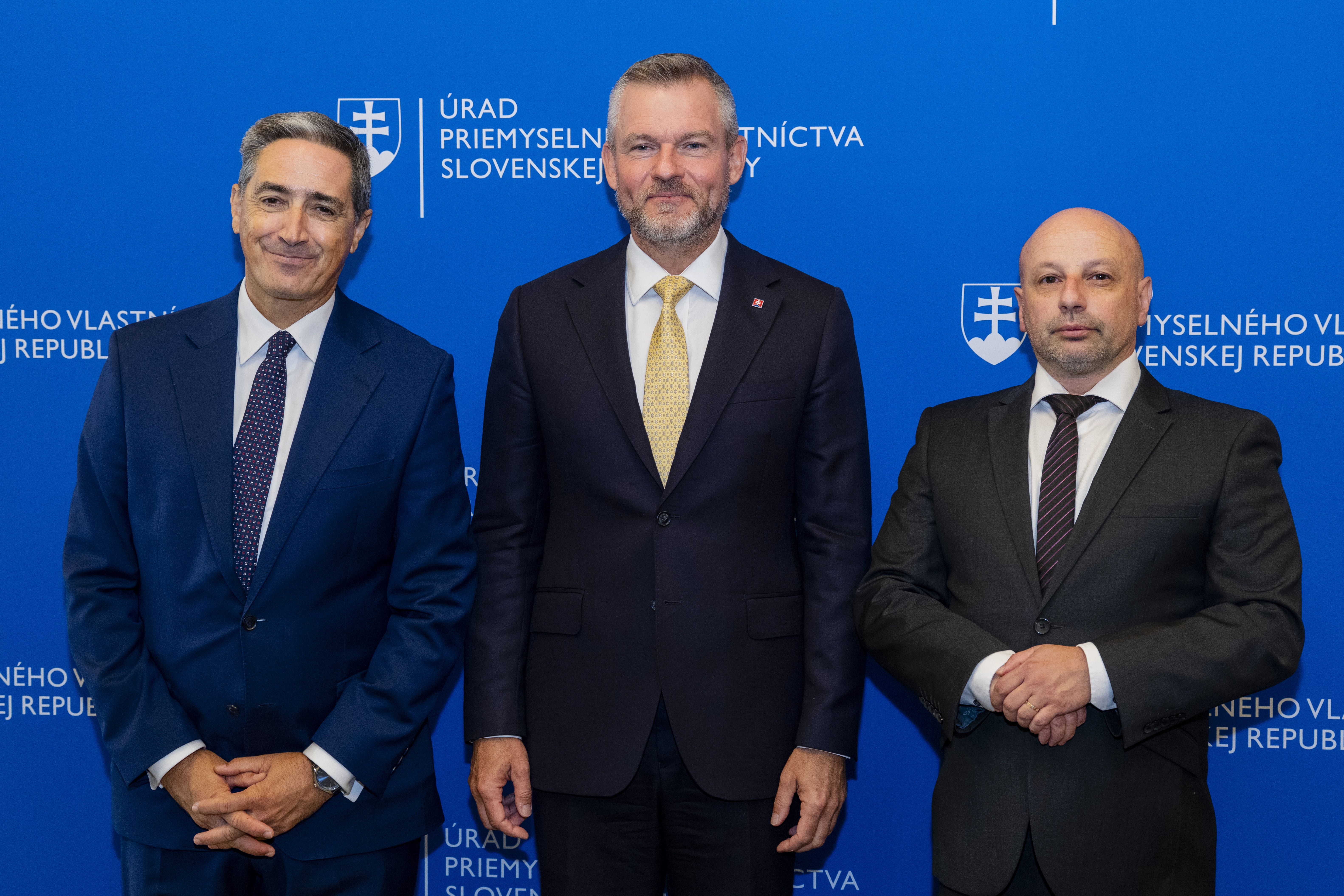
The conference brought together representatives of national intellectual property offices from 12 countries, as well as representatives of the World Intellectual Property Organization (WIPO), EUIPO and the European Commission. The conference was opened by the President of the Slovak Republic, Peter Pellegrini, the President of IPO SR, Pavol Gregorčok, and the Executive Director of EUIPO, João Negrão.
Over the course of two days, experts addressed the current legislative and institutional framework for geographical indications, the Lisbon System for international protection, support for regional products, and practical experience in building strong brands. Discussions also covered the new system for the protection of geographical indications for craft and industrial products, ways of turning regional identity into long-term value, and the importance of cooperation between public institutions, producers and regions.
Selected conference topics were subsequently discussed in greater detail during a media briefing with representatives of IPO SR, WIPO, EUIPO and the European Commission. In particular, they explained why the registration of a geographical indication alone is not enough and what determines its real benefits for producers, consumers and regions.
Protecting Origin Goes Beyond Registration
The conference media briefing featured Pavol Gregorčok, President of the Industrial Property Office of the Slovak Republic; Florence Rojal of the World Intellectual Property Organization (WIPO); Robert Mulac of the European Union Intellectual Property Office (EUIPO); and Katarína Baráthová of the European Commission.
They highlighted that the importance of geographical indications extends well beyond registration itself. The basis for protection is a demonstrable link between a product and a specific geographical area. Depending on the applicable protection scheme, this link may be reflected in the product's quality, characteristics, reputation or method of production.
Florence Rojal stressed that the success of a protected product also depends on monitoring compliance with its product specification, as well as on marketing and effective communication with consumers. International protection through the Lisbon System also helps prevent the unauthorised use of protected names in foreign markets.
New Opportunities for Craft and Industrial Products
The European system of geographical indication protection has been extended to include craft and industrial products, such as ceramics, glass, natural stone and textiles. Robert Mulac noted that, since 1 December 2025, EUIPO has been responsible for their registration at EU level. Registration provides protection for the geographical indication throughout the European Union.
The new system also gives traditional Slovak products an opportunity to connect their geographical origin with reputation and commercial value, complementing the existing protection available for agricultural products, wines and spirits.
Geographical Indications Have Economic Potential
According to Katarína Baráthová, the European Commission conducted a study several years ago examining the value premium and overall value of the geographical indication system for agricultural products, wines and spirits. The study was published in 2020 and was based on 2017 data.
According to figures cited during the media briefing, geographical indications protected at EU level generated sales of approximately EUR 75 billion. Geographical indications are also often associated with a price premium: on average, products with a geographical indication were sold at approximately 1.5 times the price of comparable products without a geographical indication, with an even higher premium for wines and spirits.
The European Commission is currently preparing a new study that is expected to provide more up-to-date data.
Benefits for Producers, Consumers and Regions
Pavol Gregorčok stressed the need to raise greater awareness of protected geographical indications. He sees their importance not only for producers and consumers, but also for the regions themselves, where they can help preserve traditional production methods and support tourism.
One example is linking protected products with a map of places and regions for the caravanning community, allowing a local product to become a reason in itself to visit a particular region.
Furthermore, since 1 January 2026, filing an application for the registration of a geographical indication or designation of origin has not been subject to an administrative fee in proceedings before IPO SR or when an application is forwarded to the European Commission. Costs may, however, arise in connection with demonstrating a product's compliance with its specification and the subsequent enforcement of rights.
Legal Protection Is the Beginning, Not the Goal
A geographical indication delivers the greatest value when legal protection is combined with quality, effective controls, marketing and cooperation among local stakeholders.
For producers, it can help build a stronger brand and improve their position in international markets. For consumers, it provides information about a product's authenticity. And for regions, it can help preserve traditions while transforming them into sustainable economic value.